news
Cincinnati City Council Begins New Chapter Amid Shifting Priorities
A look at the recent developments in city council and the path that brought Cincinnati here today.
How we reported this
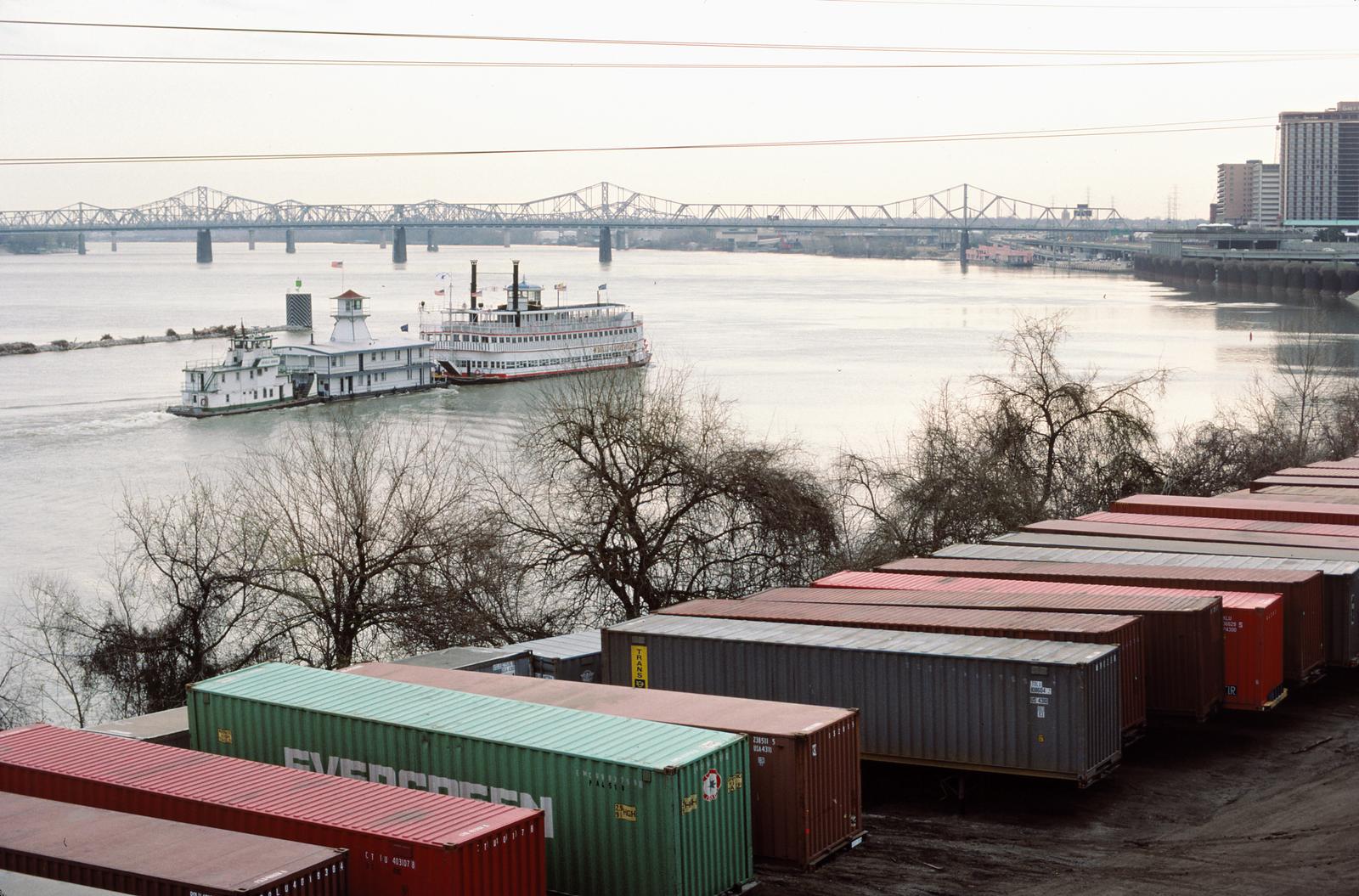
The Cincinnati City Council is entering a pivotal period of decision-making as it addresses urban development, local governance, and community concerns. Recent meetings have highlighted a mix of long-debated subjects and emergent issues, setting the stage for policy shifts that residents and stakeholders have been anticipating.
Setting the Stage: Why Now?
The timing of these council updates ties closely to Cincinnati’s efforts to respond to ongoing challenges across the city’s neighborhoods. Issues such as economic revitalization, public safety, and infrastructure improvements have taken on renewed urgency. With new leadership dynamics emerging within the council, members are tasked with balancing the demand for swift progress with the need for inclusive, deliberative processes.
Cincinnati faces typical urban pressures, including managing growth and addressing residents’ immediate quality-of-life needs. The council’s agenda reflects these pressures, with discussions touching on zoning, transit options, and community services. Residents of areas like Over-the-Rhine, Clifton, and Avondale watch closely as decisions will directly impact housing availability, business development, and public space upgrades.
The Roads That Led Here
The current council’s stance did not materialize in isolation. Cincinnati’s political landscape has evolved through a mix of civic engagement, prior administrations’ policies, and shifting public priorities. Past debates over the city budget, for example, reveal the dents and gains in funding allocations for infrastructure and social programs. Equally, grassroots organizations in neighborhoods facing economic hardship have influenced council members to pay closer attention to equitable development.
These developments have also been characterized by complex negotiations among council members, city departments, and community groups. The interplay of competing interests has led to the compromises now visible in policy proposals on the table. Council sessions over the last year, marked by robust public comments and steady media scrutiny, reflect this ongoing democratic process.
While specific statistics or dates tied to Cincinnati’s political shifts during these recent council updates are unavailable, the public record suggests a city eager to address both legacy issues and new challenges. The council’s direction underscores a gradual, thoughtful approach rather than abrupt changes.
Looking ahead, Cincinnati residents can expect continued engagement opportunities with their council representatives. Community meetings and online forums will serve as platforms for citizens to voice opinions as new ordinances move through the legislative process. Staying informed and involved remains key, as the council’s decisions will shape Cincinnati’s trajectory in tangible ways.