news
Cincinnati City Council Decisions Now Shape Services, Development Across Neighborhoods
Recent City Council updates shape local services, development, and community well-being in Cincinnati neighborhoods.
How we reported this
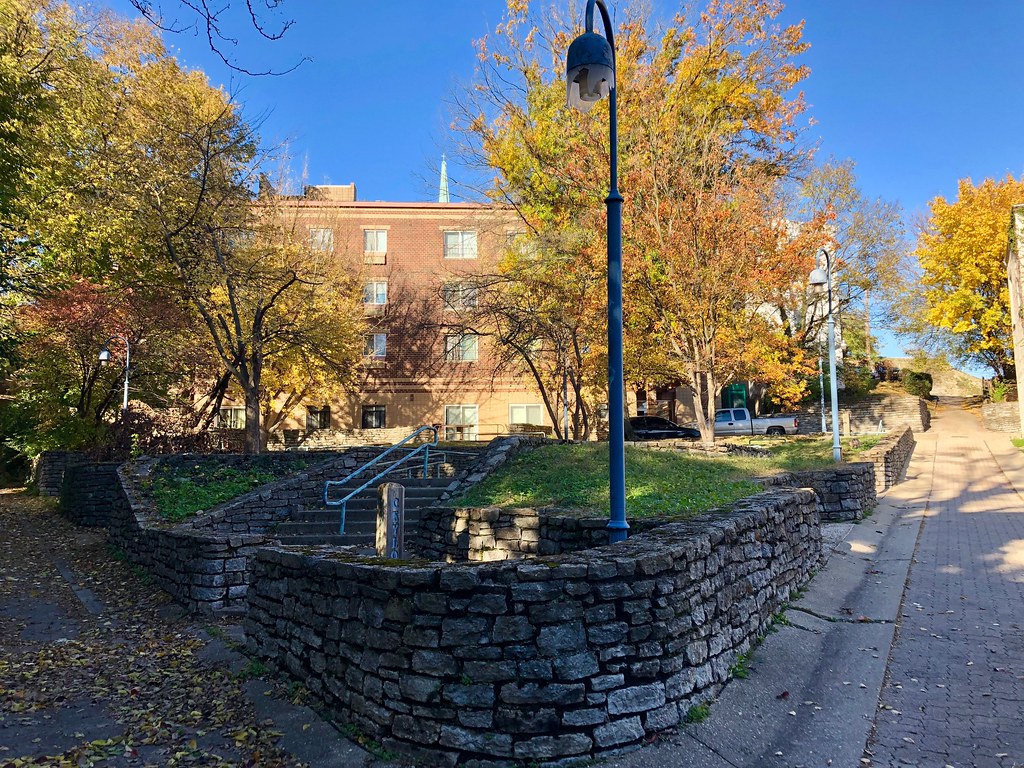
The Cincinnati City Council’s recent sessions have underscored critical shifts in policies impacting neighborhoods, infrastructure, and city programs. While no single headline-grabbing decision dominated the agenda, the cumulative effect of council updates reveals significant implications for the city’s residents and community cohesion.
Why City Council Actions Matter Now
Amid ongoing challenges such as urban development pressures, public service demands, and economic uncertainties, local government decisions carry immediate consequences for daily life across Cincinnati. Residents rely on the council not only to approve budgets but to deliberate on zoning, community resources, and service provision that shape neighborhoods like Over-the-Rhine, Hyde Park, and Price Hill.
With the city experiencing both revitalization in some areas and persistent economic struggles in others, council policies influence how resources are allocated. The decisions made in City Hall can determine the pace and fairness of growth, access to essential programs, and the maintenance of Cincinnati’s public spaces, ultimately affecting quality of life for diverse communities.
Local Impacts: Neighborhoods and Community Services
Though specific recent motions have not been detailed in publicly available reports, the City Council’s role in approving urban development plans, supporting local organizations, and managing transportation projects is well established. Changes in zoning laws, for example, can alter the character of long-standing neighborhoods and affect affordable housing availability. Similarly, decisions regarding funding for social services or park maintenance directly influence the daily environment for families and individuals living in the city.
Public input sessions and community engagement remain critical in shaping these outcomes, as residents push for solutions to issues like traffic congestion on major arteries such as Central Parkway and the revitalization needs in historically underinvested districts. The council’s responsiveness to these voices determines how equitably improvements are distributed.
Evidence of Community Effects
While specific data from the latest council meetings is not available, qualitative indicators reflect an ongoing balancing act. Cincinnati faces tensions between growth initiatives and preserving neighborhood integrity. This often involves weighing commercial development interests against residents’ desires for green spaces and community facilities.
Moreover, the city's approach to funding and maintaining public services-from sanitation to emergency response-can be observed through resident feedback and service performance reports, which frequently highlight areas for improvement or success. The council’s decisions thus resonate beyond the meeting chamber, influencing public trust and community resilience.
Looking Ahead: Engagement and Awareness
For Cincinnati residents, staying informed about council activities and participating in public forums is essential. City Council meetings often provide opportunities for community members to express concerns and influence policy directions that affect their neighborhoods.
Advocacy groups and local organizations also play a vital role in tracking council developments and lobbying for priorities that represent broad community interests. While not all outcomes are immediate, sustained attention and involvement help ensure that governance reflects Cincinnati’s diverse population and varied urban realities.
Ultimately, the City Council’s updates are not abstract bureaucratic procedures but tangible decisions shaping the city’s future fabric. Being aware and engaged enables residents to better navigate changes, voice needs, and contribute to Cincinnati’s ongoing evolution as a city where community matters.