lifestyle
Cincinnati's Unique Geography Offers What Global Cities Cannot Replicate
While international cities face rising density pressures, Cincinnati’s unique topography and architectural preservation define its singular appeal for residents.
How we reported this
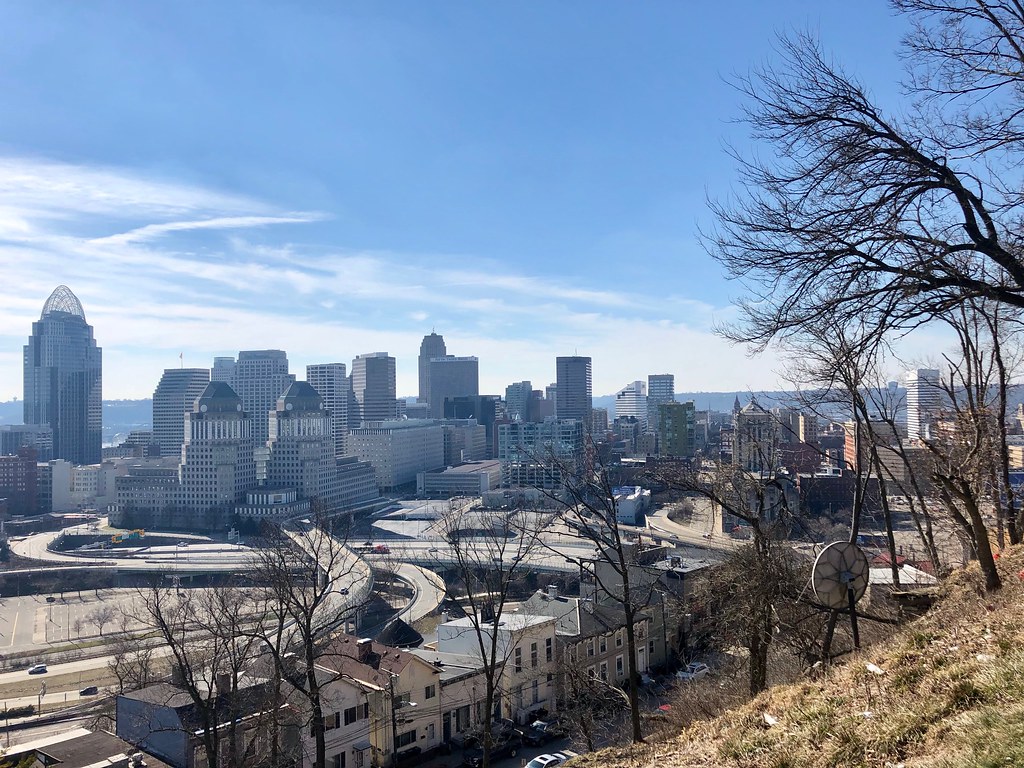
Cincinnati is carving out a distinct identity in the global landscape by balancing its historic preservation efforts with a geography that dictates an intimate, neighborhood-focused lifestyle. Unlike the sprawling, homogenous developments common in many major urban centers, the city’s terrain-defined by the Ohio River basin and the surrounding hills-has historically forced residential pockets to develop with individual character rather than uniform expansion.
The Geography of Community
The city's unique layout creates a sense of separation and identity for residents of disparate areas. In Over-the-Rhine, the dense, 19th-century Italianate architecture provides a visual continuity rarely matched in cities that prioritized post-war glass and steel. This preservation effort, bolstered by organizations like the Cincinnati Preservation Association, ensures that the streetscapes maintain a human scale. Moving from the flats near Findlay Market to the hilltop views in Mount Adams offers a shift in environment that feels like traveling between two distinct towns rather than crossing a few miles within the same municipal boundary.
This elevation-based urban design contrasts sharply with cities like Tehran or Kyiv, where current global events are reshaping urban infrastructure under the pressure of conflict and political instability. Cincinnati remains anchored by its established landmarks, such as the Cincinnati Art Museum in Eden Park and the robust public library system, which provide a stable framework for social cohesion that has proven resilient despite wider economic headwinds.
Investing in Local Stability
Data from the Cincinnati Area Board of Realtors suggests that interest in historic districts remains strong as residents seek neighborhoods with established amenities. The real estate market has seen steady movement throughout the past year, as buyers prioritize walkability near major hubs like Washington Park. While global markets have struggled with fluctuating inventory and interest rates, the local housing stock in neighborhoods like Northside and Hyde Park continues to benefit from a consistent supply of period-appropriate maintenance and renovation projects.
For those considering a move, the focus should remain on proximity to the urban core versus the slower pace of the hilltops. Residents who prioritize immediate access to transit and nightlife often lean toward the urban density of the city center, while families increasingly look toward neighborhoods with high walkability scores and proximity to the city’s extensive park system. As the city continues to navigate its growth, the premium on these established neighborhoods is expected to remain firm, reflecting a local preference for long-term character over temporary trends.